


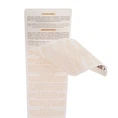

1. Choose waterproof and moisture-proof label materials. Non-absorbent synthetic materials must be used as the base material, such as PET (polyester), PP (polypropylene), PVC (polyvinyl chloride), or BOPP laminating materials. These materials are non-absorbent and effectively resist condensation, splashes, or high humidity. PET, in particular, has excellent temperature resistance, chemical resistance, and waterproof performance, making it especially suitable for harsh environments such as cold storage, cold chain transportation, and outdoor equipment.
2. Use waterproof inks and lamination protection processes.
Use moisture-resistant UV inks or resin-based heat transfer ribbons for printing. After curing, a waterproof layer is formed, preventing the ink from dissolving or smudging in water.
Apply a transparent PET or BOPP protective film to the label surface to form a "physical barrier layer," blocking moisture penetration and improving wear and scratch resistance, ensuring long-term legibility of barcodes and text. 3. Ensure labels adhere firmly and prevent water seepage at the edges.
Use acrylic or rubber-based waterproof adhesives that maintain strong adhesion even on damp surfaces.
Before labeling, ensure the surface to be labeled is dry, clean, and free of condensation. If necessary, use air drying or heat treatment to remove surface moisture.
It is recommended to place the label material in the intended environment for 24 hours before labeling to achieve temperature and humidity equilibrium, reducing the risk of edge curling or detachment due to moisture absorption and expansion after labeling.
4. Control the temperature and humidity of the production and labeling environment.
The printing and labeling environment should be controlled at a temperature of 18–25℃ and a relative humidity of 50%–60% to avoid material curling or printing defects caused by humidity fluctuations.
Finished labels should be stored in a dry, well-ventilated place, avoiding direct sunlight and high humidity environments. Recommended storage conditions are 22℃±2℃ and 50%±5% relative humidity.
