



I. Preparation Before Application: Laying a Solid Foundation
1. Choose Qualified Products
Prioritize stickers that meet national standards. For example, reflective stickers should bear the "GB 23254" certification mark. Avoid using inferior products that may cause reflectivity failure or easy peeling.
2. Clean the Surface
Use alcohol or a detergent-based cleaner to wipe the vehicle, equipment, or wall surface to remove oil, dust, and moisture, ensuring the surface is dry and smooth. In cold weather, wipe with warm water first to improve adhesion.
3. Avoid Extreme Environments
Do not apply stickers in high temperatures or extreme cold, as this may prevent the adhesive layer from curing properly. If the surface is too hot or too cold, wait until it reaches room temperature before proceeding.
II. Precise Application: Emphasis on Both Position and Method
1. Determine Key Positions
Agricultural Vehicles: Apply stickers below the headlights or on the bumper at the front; on the sides, on the door edges or cargo box railings; and at the rear, above the license plate, on the rear bumper, and on both sides of the cargo box, forming a "comprehensive warning circle."
Reflective Markings:
The rear of the vehicle should begin and end with white units, and all four corners must be white to enhance nighttime visibility. Side markings may begin with red units, but the junction with the rear must be white.
Safety Signs: These should be placed at eye level (1.5–1.7 meters), avoiding placement on movable objects, and must not be obstructed in front of them.
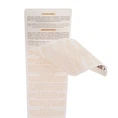
2. Standard Operating Procedures: After aligning the markings, secure the top edge with masking tape to prevent misalignment.
Slowly peel off the backing paper, smoothing it from one end to the other. Simultaneously, gently press from the center outwards with a scraper or credit card to remove air bubbles and ensure a tight seal.
After application, press firmly with your palm or a cloth for 3–5 minutes, paying particular attention to the edges to prevent them from detaching due to vehicle bumps.
III. Precautions for Special Types of Stickers:
1. 3D Stickers: Never apply to sensitive areas such as the nostrils or eyes. Children should be supervised by adults at all times to prevent airway obstruction or infection.
2. Removable stickers (e.g., camera privacy stickers): Choose silicone material to ensure repeated application without leaving residue and not affecting equipment use.
3. Industrial-grade safety signs: Made of PVC or PET material, featuring bend resistance, abrasion resistance, and low reflectivity to avoid glare interfering with judgment.
IV. Post-installation Inspection and Maintenance
1. Regular Inspection: Before each trip, check the reflective stickers for damage, peeling, or fading, and whether the reflectivity is reduced at night. Replace any problematic stickers immediately.
2. Timely Replacement: If stickers fall off due to friction from cargo, replace them immediately after unloading. If malfunction is found during transport, repair them promptly.
3. Keep Clean: Regularly wipe the surface gently with a neutral detergent, avoiding high-pressure water jets to impact the edges and extend service life.
⚠️ Special Reminder: Safety stickers are not decorative items, but a "visible safety barrier." Once they become blurry, peel, or detached, their warning function is lost, and they should be replaced promptly to truly protect travel and operational safety.
