



I. Material Type
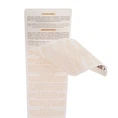
Paper Labels: In a dry environment, they can generally be stored for 6 months to 1 year. The shelf life will be shorter in humid environments.
Synthetic Material Labels (e.g., PET, PVC): More durable, they can usually be stored for more than 1 year.
Metal Labels: If the surface has an anti-corrosion treatment, they can be stored for more than 2 years after drying.
II. Environmental Conditions
Temperature: For every 10°C increase, the chemical reaction rate may double, and the shelf life may be halved. For example, storing at 35°C may shorten the shelf life to 1-3 months.
Humidity: High humidity (e.g., above 60%) will accelerate material aging; it is recommended to control it at 50%-60%.
Light: Ultraviolet rays will accelerate label fading; it is best to store them away from light.
III. Storage Method
Sealed Storage: Store in self-sealing bags or sealed boxes to avoid moisture.
Regular Inspection: It is recommended to check the label condition quarterly and replace any problematic labels promptly.
IV. Practical Application Recommendations
Logistics and Warehousing: Choose waterproof and abrasion-resistant labels, such as thermal paper or synthetic paper labels.
Industrial Production: Labels must be heat-resistant and oil-resistant, such as PI labels or aluminum foil labels.
Medical: Labels must be safe and non-toxic, and comply with food and drug standards.
