



I. Preparation Before Replacement
1. Confirm that the specifications, content, and color of the new label fully comply with national standards and are consistent with the original label information, without any errors or omissions.
2. Wear appropriate personal protective equipment. For work at heights, a valid qualification is required. Set up a warning zone on-site and assign a dedicated supervisor to monitor the area throughout the process.
3. Prepare suitable fixing accessories and cleaning tools, and clear any obstacles around the work area in advance.
II. Removing the Old Label
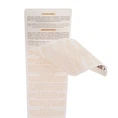
1. Follow the principle of "protect first, then remove," gently removing the old label to avoid damaging the surface of the object to which it is attached.
2. If the label is on a hazardous chemical container, it is strictly forbidden to completely remove the old label before confirming that the hazard of the medium inside the container has been completely eliminated.
III. Affixing the New Label
1. Clean the dust and oil stains from the affixing location, and firmly affix the new label to the original conspicuous position to ensure it does not fall off during transportation and storage.
2. After affixing, check the angle and clarity of the label, ensuring that the angle between the label and the line of sight is not less than 75°, and that there are no obstructions or skewers. IV. Subsequent Verification
After replacement, check the status of other surrounding labels, record the replacement, and conduct regular inspections to prevent damage and failure from recurring.
