


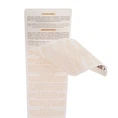


1. Material Selection: Prioritize the use of renewable, recyclable, or biodegradable environmentally friendly materials, such as paper certified by sustainable forestry and bio-based plastics. Materials must comply with the GB/T 44837-2024 Green Product Evaluation - Stationery standard, ensuring they are non-toxic, non-polluting, and easily biodegradable. For example, avoid using composite materials containing PVC or other difficult-to-recycle materials, and choose single-material materials to simplify the recycling process.
2. Printing Process Optimization: Use environmentally friendly inks (such as water-based inks) and adhesives to reduce volatile organic compound (VOC) emissions and avoid contaminating recycled materials. Simultaneously, reduce waste rates through high-precision printing equipment and optimize processes to reduce energy consumption. After printing, physical tests (such as drop and stacking tests) must be conducted to ensure the labels are not easily damaged during transportation, reducing impurities during recycling.
3. Labeling Standards and Certification: Clearly label recycling symbols (such as the "recyclable" symbol) and material composition to help consumers and recycling organizations with sorting and processing. Labels conforming to GB/T 44837-2024 must be green certified and specify environmental performance indicators (such as carbon footprint and biodegradability). Furthermore, label adhesives should be removable or water-soluble to avoid residues that could affect recycling quality.
