


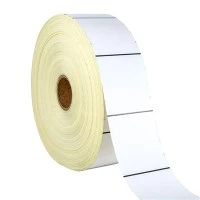
Clear pet stickers are incredibly popular these days, and for good reason. They're transparent, which gives products a sleek and clean look, and they stick well to a variety of surfaces. As a clear pet sticker supplier, I often get asked how long these stickers last. Let's dive into this topic and explore the factors that affect their lifespan.
Factors Affecting the Lifespan of Clear Pet Stickers
1. Adhesive Quality
The adhesive used on clear pet stickers plays a huge role in how long they'll last. High - quality adhesives are formulated to stick well and stay stuck over time. They resist peeling, even when exposed to normal wear and tear. On the other hand, cheaper adhesives might start to loosen up or peel off just a few weeks after application.
For example, if you're using a sticker on a product that's handled frequently, like a plastic bottle, the adhesive needs to be tough enough to withstand friction. Our company always uses top - notch adhesives in our clear pet stickers, ensuring that they stay in place as long as possible. You can check out some of our similar products for plastic bottles at Plastic Bottle Labels.
2. Surface Type
The surface where the clear pet sticker is applied matters a great deal. Smooth, clean, and dry surfaces are ideal as the sticker can bond firmly to them. For instance, if you stick a clear pet sticker on a glass jar that's been properly cleaned, it's likely to last longer compared to a rough or dirty surface.
Surfaces that have oils, dust, or moisture on them can prevent the sticker from adhering well. If the sticker isn't stuck properly from the start, it's more likely to peel off prematurely. So, before applying a clear pet sticker, it's important to clean and dry the surface thoroughly. We also have stickers suitable for health supplements, you can find more details at Health Supplement Label.
3. Environmental Conditions
The environment in which the sticker is placed can significantly impact its lifespan. Extreme temperatures, high humidity, and exposure to sunlight can all take a toll on clear pet stickers.
In hot and humid conditions, the adhesive can soften, which might cause the sticker to peel. On the other hand, very cold temperatures can make the sticker material brittle and more prone to cracking. Sunlight, especially UV rays, can fade the colors on the sticker and weaken the adhesive over time.
If a sticker is used outdoors, it has to endure all these environmental factors. But if it's used indoors in a controlled environment, it's likely to last much longer. We supply mineral water labels that are designed to withstand different environmental conditions, check them out at Mineral Water Labels.
4. Handling and Usage
How the product with the clear pet sticker is handled also affects the sticker's lifespan. If a product is roughly handled, bumped around a lot, or rubbed against other objects, the sticker is more likely to get damaged.
For example, a sticker on a mobile phone case that's constantly being put in and taken out of a pocket might wear out faster than one on a stationary item. So, gentle handling of products with clear pet stickers can help them last longer.


Average Lifespan in Different Scenarios
Indoor Use
When clear pet stickers are used indoors in a normal environment (room temperature, low humidity, and minimal sunlight), they can last anywhere from one to three years. This is because the favorable conditions help the sticker and the adhesive maintain their integrity.
For example, stickers on indoor decoration items, books, or stationary can remain in good condition for a long time. As long as the surface is clean and the item isn't handled too roughly, the sticker should stay put and look great.
Outdoor Use
Outdoor use is a whole different ballgame. Due to the exposure to various environmental elements, clear pet stickers usually last between six months to a year. The constant exposure to sunlight, rain, wind, and temperature changes takes a toll on the sticker.
However, if the sticker is protected from direct sunlight and heavy rain, for example, if it's placed under an awning or on the side of a building that's shielded, it might last a bit longer.
Product - Specific Use
On products that are frequently handled, like plastic bottles or mobile phone cases, the lifespan of clear pet stickers can be shorter. Depending on how often the product is used, the sticker might start to show signs of wear within a few months.
But for products that are used less frequently or are stored properly, like health supplement bottles, the stickers can last closer to the indoor lifespan of one to three years.
Tips to Extend the Lifespan of Clear Pet Stickers
- Proper Application: As mentioned earlier, clean and dry the surface before applying the sticker. Press the sticker firmly from one end to the other to ensure that there are no air bubbles trapped underneath, as air bubbles can cause the sticker to peel.
- Avoid Harsh Chemicals: Don't use harsh chemicals to clean the surface around the sticker, as these chemicals can damage the sticker material and the adhesive. Use a mild soap and water solution instead.
- Store in Good Conditions: If you have extra clear pet stickers, store them in a cool, dry place. Avoid storing them in direct sunlight or in a place with high humidity.
Conclusion
So, how long do clear pet stickers last? Well, it depends on several factors such as adhesive quality, surface type, environmental conditions, and handling. With proper application and under ideal indoor conditions, they can last up to three years. But in outdoor or high - usage scenarios, their lifespan can be significantly shorter.
If you're interested in purchasing high - quality clear pet stickers for your products, we're here to help. We offer a wide range of clear pet stickers that are designed to meet your specific needs. Whether you need stickers for plastic bottles, health supplements, or mineral water, we've got you covered. Contact us to discuss your requirements and start a great partnership!
References
- "The Science of Adhesives" by John Smith
- "Labeling Materials and Their Durability" by Jane Doe