


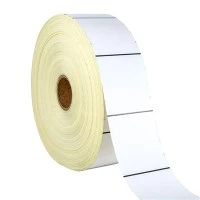
Designing industrial labels for easy handling is crucial, especially when you're dealing with a wide range of industrial products. As an industrial labels supplier, I've seen firsthand how a well - designed label can make a huge difference in the efficiency of handling and using products. In this blog, I'll share some tips on how to design these labels to ensure they're user - friendly and effective.
Understand Your Purpose
First off, you need to be crystal clear about the purpose of your label. Is it for safety information, like the Labelling Hazardous Chemicals? Or is it for identification, such as a barcode for tracking inventory? Maybe it's for inspection, like the Inspection Label. Knowing your purpose will guide every aspect of the label design.
For safety labels, you've got to make sure the information is prominent and easy to understand at a glance. Use symbols and colors that are universally recognized for danger, like red for fire hazards and black exclamation marks on a yellow background for general caution. The text should be in a large, legible font, and the message should be short and to the point.
If it's an identification label, accuracy is key. For example, Barcode Label needs to be printed clearly so that scanners can read them without any issues. The barcode should be large enough and placed in a location where it won't get damaged or obscured during handling.
Choose the Right Materials
The material of the label can greatly affect its ease of handling. For environments where the label might get wet or dirty, you'll want a durable material. Direct Thermal Paper Label is a great option for some applications, but it might not hold up well in harsh conditions.
If the label will be exposed to chemicals, high temperatures, or rough handling, consider using vinyl or polyester labels. These materials are more resistant to damage and can keep the label's information intact for a long time. You should also think about the adhesive. A strong adhesive is necessary to ensure the label stays in place, but it shouldn't be so strong that it's difficult to remove when it's no longer needed.
Keep It Simple
In the world of industrial labels, simplicity is your best friend. Don't try to cram too much information onto one label. If you have a lot to say, break it up into multiple labels or use a combination of a summary label and a more detailed insert.
Use simple language and avoid jargon as much as possible. You can't assume that everyone who handles the product will be an expert in the industry. For example, instead of using technical terms for a chemical's properties, use plain language to describe the hazards.
When it comes to design, a clean and uncluttered layout is ideal. Use plenty of white space to separate different sections of the label. This makes it easier for the eye to scan the information and find what it's looking for quickly.
Consider Placement and Visibility
Where you place the label on the product matters a lot. It should be in a location that's easily visible during normal handling. For example, if the product is a large drum, placing the label at eye - level when the drum is upright is a good idea.
You also need to think about the orientation of the label. Make sure it can be read correctly no matter how the product is held or positioned. If possible, test the label placement on a prototype or a sample of the product to see how it looks and functions in real - world situations.
Use Appropriate Colors and Symbols
Colors and symbols are powerful tools in label design. They can convey information quickly and effectively. For example, Caution Labels often use yellow and black to catch people's attention.
When using colors, make sure they contrast well with the background. This ensures that the text and symbols are easy to read. You can also use color - coding to group related information. For example, all safety - related information could be in red, while product identification details could be in blue.


Symbols are a great way to communicate information without using a lot of words. Use internationally recognized symbols whenever possible, so that people from different countries and language backgrounds can understand the label.
Test the Label
Before you start mass - producing a label, it's essential to test it. Print a few samples and apply them to the actual products. Then, subject the products to normal handling conditions, such as shipping, storage, and use.
Check to see if the label stays in place, if the text and symbols are still legible, and if the information is easy to understand. If you run into any issues, make the necessary adjustments to the design or the materials.
Conclusion
Designing industrial labels for easy handling is a process that requires careful thought and planning. By understanding your purpose, choosing the right materials, keeping it simple, considering placement and visibility, using appropriate colors and symbols, and testing the label, you can create labels that are not only user - friendly but also effective in communicating important information.
If you're in the market for high - quality industrial labels that are designed with easy handling in mind, we're here to help. We've got a wide range of label options to suit different needs, from safety labels to barcode labels. Whether you need a small batch or a large order, we can work with you to create the perfect solution. Don't hesitate to reach out to discuss your requirements and get a quote. We're always happy to have a chat and help you find the best label for your products.