


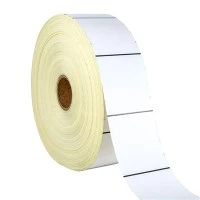
As a supplier of decorative stickers, I've encountered numerous customers who face challenges in getting their stickers to adhere properly. Whether it's for personal use, business branding, or product labeling, ensuring that your decorative stickers stick well is crucial for a long - lasting and professional look. In this blog, I'll share some effective tips and techniques to make your decorative stickers stick better.
Surface Preparation
One of the most important factors in getting stickers to stick is the surface they are applied to. A clean, dry, and smooth surface provides the best adhesion.
- Clean the Surface: Dirt, dust, grease, and other contaminants can prevent the sticker from bonding properly. Use a mild detergent and water to clean the surface. For stubborn stains, you can use rubbing alcohol. Make sure to dry the surface completely before applying the sticker. For example, if you're applying a sticker to a glass surface, wipe it down with a glass cleaner and a lint - free cloth.
- Smooth the Surface: Rough or uneven surfaces can cause air bubbles to form under the sticker, reducing its adhesion. If the surface is rough, you can sand it lightly to create a smoother finish. However, be careful not to damage the surface. For instance, if you're applying a sticker to a wooden surface, sand it gently with fine - grit sandpaper.
Temperature and Humidity
The environment in which you apply the sticker can also have a significant impact on its adhesion.
- Optimal Temperature: Stickers adhere best at room temperature, typically between 65°F and 75°F (18°C and 24°C). Applying stickers in extreme temperatures can cause the adhesive to become too soft or too hard. If it's too cold, the adhesive may not bond properly, and if it's too hot, the sticker may warp or bubble. For example, if you're applying a sticker outdoors in the winter, it's best to bring the sticker and the surface to a warmer area before application.
- Humidity: High humidity can also affect the adhesion of stickers. Moisture in the air can prevent the adhesive from drying properly. Try to apply stickers in a low - humidity environment. If you're applying stickers in a humid area, you can use a dehumidifier to reduce the moisture in the air.
Application Techniques
The way you apply the sticker can make a big difference in how well it sticks.
- Peel Slowly: When peeling the backing off the sticker, do it slowly and carefully. This helps to prevent the sticker from stretching or tearing. Hold the sticker at a 45 - degree angle and pull the backing off in a smooth, continuous motion.
- Apply Pressure: Once the sticker is in place, use a squeegee or a credit card to apply pressure evenly across the sticker. Start from the center and work your way out to the edges. This helps to remove any air bubbles and ensures that the sticker is firmly attached to the surface. For example, if you're applying a large sticker, use a squeegee to smooth it out.
- Avoid Folding or Creasing: Folding or creasing the sticker can damage the adhesive and prevent it from sticking properly. Handle the sticker with care and try to apply it in one smooth motion.
Sticker Quality
The quality of the sticker itself also plays a role in its adhesion.
- Choose the Right Adhesive: Different types of stickers require different types of adhesives. For example, if you're applying a sticker to a textured surface, you may need a stronger adhesive. At our company, we offer a variety of stickers with different adhesives to meet your specific needs.
- Check the Expiration Date: Stickers have a shelf life, and using an expired sticker can result in poor adhesion. Make sure to check the expiration date before using the sticker.
Specific Applications
Let's take a look at some specific applications and how to make stickers stick better in each case.
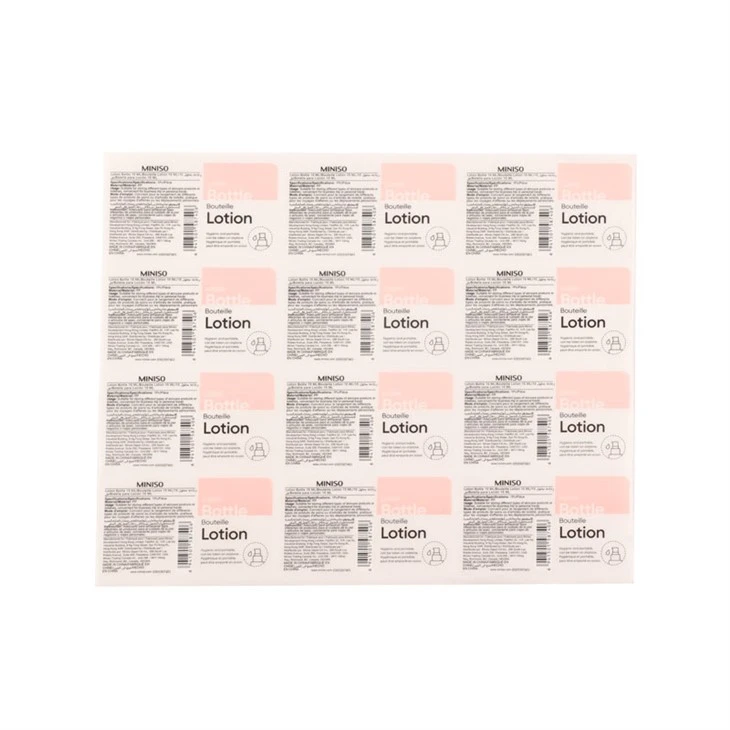
Customise Logo Label
If you're looking for Customise Logo Label, it's important to ensure that the logo is clear and the sticker adheres well. When applying a custom logo label, follow the surface preparation steps mentioned above. Also, make sure that the logo is centered and straight. Use a ruler or a level to help you position the label correctly.
Cosmetic Labels Stickers
Cosmetic Labels Stickers need to look professional and adhere well to the product packaging. Since cosmetic products are often stored in different environments, it's important to choose a sticker with a high - quality adhesive that can withstand temperature and humidity changes. Clean the packaging surface thoroughly before applying the sticker, and use a gentle touch to avoid damaging the label.
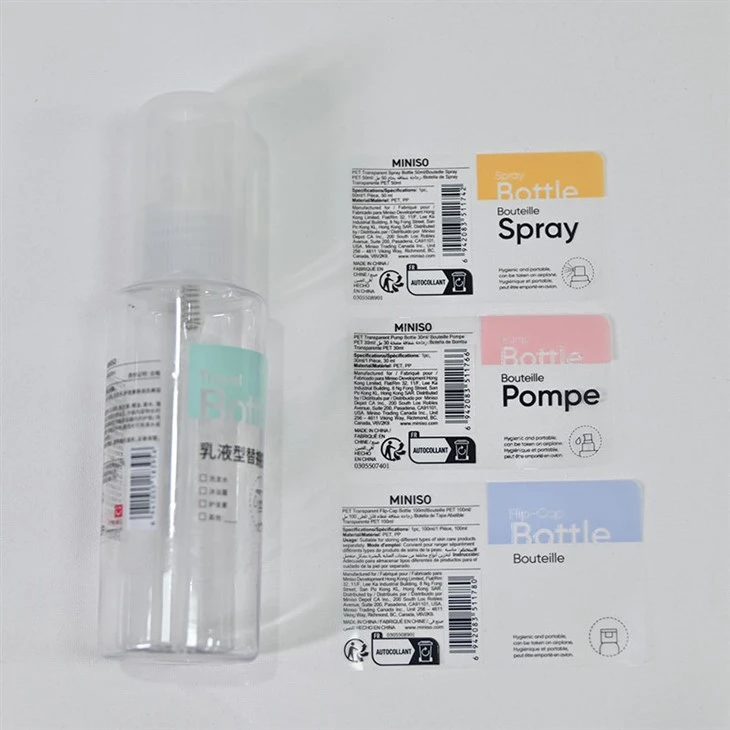
Spray Bottle Labels
Spray Bottle Labels are exposed to moisture and frequent handling. To make these labels stick better, choose a waterproof and durable sticker. Make sure the spray bottle is dry before applying the label, and apply pressure evenly to ensure a good bond.
Maintenance
Once the sticker is applied, proper maintenance can help it stay stuck for a longer time.
- Avoid Scratching: Scratching the sticker can damage the adhesive and cause it to peel off. Be careful when handling the surface with the sticker.
- Keep it Clean: Regularly clean the surface with the sticker using a mild cleaner. This helps to prevent dirt and grime from building up and affecting the adhesion.
In conclusion, making decorative stickers stick better involves a combination of surface preparation, proper application techniques, choosing the right sticker, and maintenance. By following these tips, you can ensure that your stickers look great and stay in place for a long time.
If you're interested in purchasing high - quality decorative stickers for your personal or business needs, we'd love to have a conversation with you. Our team of experts can help you choose the right stickers and provide you with all the information you need. Contact us to start the procurement process and let's create something amazing together.