


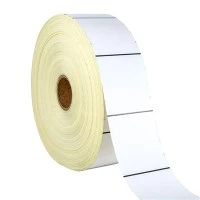
In industrial settings, labels serve as crucial tools for identification, safety instructions, and product information. However, one of the most challenging environments for industrial labels is high humidity. Moisture can cause labels to peel, fade, or become illegible, undermining their functionality. As an industrial labels supplier, I understand the importance of creating labels that can withstand humid conditions. In this blog, I will share some effective strategies to make industrial labels more durable in such environments.
Understanding the Impact of Humidity on Labels
Before delving into solutions, it's essential to understand how humidity affects industrial labels. High moisture levels can lead to several problems:


- Adhesive Failure: Moisture can weaken the bond between the label and the surface, causing the label to peel off. This is particularly common when the adhesive is not formulated to resist water.
- Ink Fading: Water can cause the ink on the label to bleed or fade, making the text and graphics difficult to read. This is especially problematic for labels that contain important safety information or product specifications.
- Material Degradation: Some label materials are more susceptible to moisture damage than others. For example, paper labels can become soggy and fall apart in high humidity, while certain plastics may become brittle or discolored.
Selecting the Right Materials
The choice of materials is crucial for creating durable industrial labels in humid conditions. Here are some options to consider:
- Polyester Labels: Polyester is a popular choice for industrial labels due to its excellent resistance to moisture, chemicals, and abrasion. It can withstand high temperatures and humidity without losing its adhesion or print quality. Safety Labels made from polyester are ideal for use in humid environments where long - term durability is required.
- Vinyl Labels: Vinyl is another material that offers good moisture resistance. It is flexible, making it suitable for curved surfaces, and can be printed with high - quality graphics. Vinyl labels are often used for outdoor applications and in industries where labels need to withstand harsh conditions.
- Direct Thermal Label Stock: Direct Thermal Label Stock is designed to be printed using direct thermal printers. These labels are coated with a heat - sensitive material that turns black when exposed to heat. While they are not as durable as some other materials in extreme humidity, they can be a cost - effective option for short - term labeling needs.
Choosing the Appropriate Adhesive
The adhesive is the key to ensuring that the label stays in place in humid conditions. Here are some types of adhesives to consider:
- Acrylic Adhesives: Acrylic adhesives are known for their excellent water resistance and long - term durability. They can bond well to a variety of surfaces, including plastics, metals, and glass. Acrylic adhesives are often used in industrial applications where labels need to withstand high humidity and harsh chemicals.
- Rubber - Based Adhesives: Rubber - based adhesives offer good initial tack and are suitable for a wide range of surfaces. However, they may not be as resistant to moisture as acrylic adhesives, so they are better suited for less humid environments or short - term applications.
- Silicone Adhesives: Silicone adhesives are highly resistant to moisture, heat, and chemicals. They are often used in high - performance applications where labels need to withstand extreme conditions. However, they can be more expensive than other types of adhesives.
Applying Protective Coatings
Protective coatings can add an extra layer of protection to industrial labels in humid conditions. Here are some types of coatings to consider:
- Laminates: Laminating the label with a clear film can provide a barrier against moisture, abrasion, and UV rays. Laminates come in different thicknesses and finishes, such as gloss, matte, or satin. They can be applied during the label manufacturing process or as a post - printing step.
- Varnishes: Varnishes are a cost - effective way to protect the label's surface. They can be applied as a liquid coating and dried to form a hard, protective layer. Varnishes can improve the label's resistance to moisture, scuffing, and fading.
- UV Coatings: UV coatings are cured using ultraviolet light, which creates a hard, durable surface. They offer excellent protection against moisture, abrasion, and UV rays, and can enhance the label's appearance by adding a high - gloss finish.
Proper Label Application
Even the most durable labels can fail if they are not applied correctly. Here are some tips for proper label application in humid conditions:
- Clean the Surface: Before applying the label, make sure the surface is clean, dry, and free of dust, grease, and other contaminants. Use a suitable cleaning agent and a lint - free cloth to clean the surface thoroughly.
- Apply Pressure: Apply firm pressure to the label during application to ensure good adhesion. Use a roller or a squeegee to smooth out any air bubbles and to press the label firmly against the surface.
- Allow Time for Adhesion: After applying the label, allow sufficient time for the adhesive to bond to the surface. This may take several hours or even days, depending on the type of adhesive and the environmental conditions.
Quality Control and Testing
To ensure that the industrial labels are durable in humid conditions, it is important to implement a rigorous quality control and testing program. Here are some tests that can be performed:
- Humidity Chamber Testing: Place the labels in a humidity chamber and expose them to high humidity levels for a specified period of time. Check for signs of peeling, fading, or adhesive failure.
- Water Immersion Testing: Immerse the labels in water for a certain period of time and then check their appearance and adhesion. This test can simulate extreme humid conditions.
- Adhesion Testing: Use an adhesion tester to measure the strength of the bond between the label and the surface. This can help ensure that the label will stay in place in humid conditions.
Case Studies
Let's take a look at some real - world examples of how these strategies have been applied to create durable industrial labels in humid conditions.
- Food Processing Industry: A food processing plant needed labels that could withstand the high humidity and steam in their production environment. We recommended using polyester labels with acrylic adhesives and a UV coating. The labels were tested in a humidity chamber and passed all the requirements. Since then, the plant has not experienced any issues with label peeling or fading.
- Marine Industry: A boat manufacturer required labels for their vessels that could resist the harsh marine environment, including high humidity, saltwater, and UV rays. We provided vinyl labels with silicone adhesives and a laminate. The labels have been performing well for several years, maintaining their adhesion and print quality.
Conclusion
Making industrial labels more durable in humid conditions requires a combination of the right materials, adhesives, coatings, and application techniques. By understanding the impact of humidity on labels and implementing the strategies outlined in this blog, you can ensure that your labels will remain legible and in place, even in the most challenging environments.
As an industrial labels supplier, I am committed to providing high - quality labels that meet the specific needs of my customers. If you are looking for durable industrial labels for humid conditions, I encourage you to contact me for a consultation. I can help you select the right materials, adhesives, and coatings for your application and ensure that your labels are tested and proven to withstand high humidity. Let's work together to create labels that will stand the test of time.
References
- ASTM International. (Year). Standard Test Methods for Evaluating the Durability of Printed Materials.
- TAPPI (Technical Association of the Pulp and Paper Industry). (Year). Technical Papers on Label Materials and Adhesives.
- Smith, J. (Year). "Best Practices for Labeling in Harsh Environments." Journal of Industrial Labeling.