


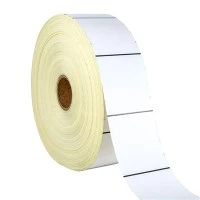
Hey everyone, thanks for stopping by. I've been in the label game for over a decade now, working directly with brands, logistics teams, and even small business owners who constantly mix up two of our most popular offerings: composite labels and multi-layer labels. It's a common mix-up, and honestly, I get it-both sound like they have multiple parts, so it's easy to lump them together. But trust me, if you pick the wrong one for your needs, you're gonna run into headaches down the line. Today, I'm breaking down exactly what separates these two, when to use each, and why as a composite label supplier, we swear by both but know when one's the clear winner.
First, let's start with composite labels, since that's what we do best here. What's a composite label, anyway? Simply put, it's a single label made by laminating two or more different materials together to create one solid, high-performance piece. Think of it like a sandwich-each layer has a job, and they work as one to do something a single layer can't. For example, you might have a tough, scratch-resistant top layer (like polyester or vinyl) paired with a sticky, weatherproof adhesive layer on the bottom. Or maybe a glossy, print-ready top layer with a moisture-resistant middle layer to keep the actual label content from smudging when it gets rained on or splashed with drinks.
Here's where it gets useful: composite labels aren't just fancy-they solve specific problems. Let's say you're a logistics company shipping heavy, outdoor equipment that's gonna get dragged through rain, dust, and rough handling. A single paper label will peel, smudge, or tear within a week. But a composite label? It'll stick, stay legible, and hold up for months. That's why so many of our clients come to us for Custom Address/Logistics Labels that are composite-they need something that works as hard as their packages do. We can mix and match materials: maybe a polypropylene top layer for tear resistance, a acrylic adhesive that sticks even to cold metal, and a liner that peels off clean so warehouse workers don't waste time fighting with stuck backings.
Now, multi-layer labels. These are different, I promise. A multi-layer label (sometimes called a "lift-off" or "pop-up" label) is when you have two or more separate layers that are all part of the same label, but they're not laminated together into one solid piece. The key here is they're bonded along the edges or in small spots, so you can lift the top layer to reveal a whole new layer of content underneath. No lamination, no blending materials into one-just two (or more) thin labels stuck together in places, like a stack of sticky notes that stay connected around the edges.


Where do these shine? When you need more space for info without making the label physically bigger. Think about pesticide labels-they have a ton of regulatory info, warning statements, safety data, and application instructions. If you tried to cram all that onto a single small label, it'd be unreadable. So pesticide brands use Durable Multi-Layer Labels to fit everything legally required without making the bottle look cluttered. Or if you're a small business selling products that have additional details (like ingredients, usage tips, or even a coupon code) that don't fit on the front of the package, a multi-layer label lets you hide that info under the top layer, so customers only see what they need at first glance.
Wait, let's make that difference super clear with a real example. Let's say you're shipping a custom outdoor gear item. If you use a composite label for its Custom Address Labels, you've got one tough piece that sticks through rain and gets scanned easily at every warehouse. No peeling, no smudged barcodes. If you used a multi-layer label here? The top layer (with the address) might hold up, but the bottom layer (say, the barcode for inventory) could separate if it gets banged around, and the edges might lift early. Not great for logistics, where every second counts and every scan needs to work.
On the flip side, let's say you've got a new snack product that needs a small front label with the flavor and brand, but you also have to list 15 ingredients, allergen warnings, and nutrition facts (all required by the FDA). A single label would be way too crowded, and a composite label wouldn't add extra space-it'd just be a bigger single piece that's hard to read. That's where a multi-layer label wins: lift the top "snack info" layer, and you've got all the small print underneath that you legally have to include, without making the whole label feel overwhelming.
Another big difference: performance. Composite labels are built for durability. They're water-resistant, tear-resistant, scratch-proof, and can handle extreme temps (hot or cold) because the layers are fused together. That's why they're perfect for things like appliance labels, industrial parts, or those Custom QR and Bar code label printing clients that ship stuff to remote locations where packages might sit in a truck in 100°F heat or get left out in the snow. The adhesive is part of the composite design, so it stays strong, and the print layer is protected, so barcodes and QR codes scan every single time-no exceptions. Speaking of barcodes, when you order a Barcode Label that's composite, you don't have to worry about the code fading or getting scratched during handling, which is non-negotiable for supply chains.
Multi-layer labels, on the other hand, are all about information density, not durability. Sure, they're usually made of paper or thin film, but they're not laminated-so if you get them wet, the layers might separate. They're not great for rough environments because the edges can lift. Their whole point is extra space, not standing up to abuse. You wouldn't use a multi-layer label for a shipping box that's going to be thrown around a warehouse, but you might use one for a product that just needs extra fine print.
Wait, let's talk about common mistakes I see clients make all the time. Last quarter, a small pesticide company came to us because their old multi-layer labels were peeling off the bottles mid-transit. They thought multi-layer labels were just as tough as composite ones, so they used them for outdoor storage. Total fail-by the time the pesticides got to the distributor, half the labels were missing layers, so the safety instructions were gone. We swapped them for our composite labels, and they've been happy ever since because they stick, stay intact, and still have all the required info (wait, no-wait, pesticides still need extra info, right? Oh, right, if they need even more space, we can adjust, but the durability was the issue. That's a perfect example of mixing them up.)
Another client: an online boutique that sells custom candles. They wanted labels that had the brand logo on the front, but also ingredient lists, burn time tips, and a little discount code underneath. They tried composite first, but the label would have been too big and the discount code would've been lost. Multi-layer was exactly what they needed-lift the top logo layer, get all the extra info, no bulky label, and it works because the candle is just sitting on a shelf, not getting banged around.
Let's break down use cases one more time to make it easy:
When to use composite labels:
- Shipping and logistics (Custom Address/Logistics Labels, Barcode Labels for inventory)
- Outdoor or industrial products (appliances, tools, parts that handle rough conditions)
- Labels that need to stay legible through extreme temps, water, or scratches
- QR/bar codes that need to scan 100% of the time, no matter how much handling
When to use multi-layer labels:
- Products with tons of required fine print (pesticides, food, cosmetics)
- Packages where you don't want a big, cluttered front label
- Items that just need extra space for secondary info (coupons, usage tips, hidden offers)
- Products that don't face rough handling or outdoor exposure
Now, as a composite label supplier, let me be clear: we don't think one's better than the other-they just solve different problems. The worst thing a business can do is pick the wrong one because they sound similar. A client that buys composite labels when they only need a multi-layer is wasting money on extra durability they don't need. A client that buys multi-layer when they need composite is wasting money fixing the damage from labels that fall off.
I should also mention that we offer both, so if you're not sure, we can chat through your specific needs. For example, if you're not sure if you need composite for your Barcode Label or a multi-layer for extra info, just tell us what you're shipping, where it's going, and what info you need on the label-we'll help you figure it out. No pressure, no upsells, just honest advice.
Wait, let's go back to that pesticide example. I mentioned Durable Multi-Layer Labels earlier-those are actually a middle ground? No, wait, no-wait, the name is a little tricky. The Durable Multi-Layer Labels we offer are still multi-layer (separate layers that lift), but we use thicker materials so they're a bit tougher than standard paper multi-layers. But they're still not composite-they don't have laminated layers. The durability is in the material thickness, not the lamination. So even those can't handle the same abuse as a true composite label. That's a good point to clarify, because the name "durable" might make people think it's composite, but it's not.
Another thing I've learned over the years: customers love when labels work for their business, not against them. For logistics teams, if their Barcode Label peels off, that's a package that gets lost, which costs money. For small food brands, if their label is cluttered, customers don't notice their products, which hurts sales. So taking the time to get this right isn't just about labels-it's about your bottom line.
If you're here because you're looking for Custom Address Labels for your business, or you need labels that hold up for shipping, or you're trying to fit more info without cluttering your packaging, don't guess. Reach out, tell us what you need, and we'll walk you through exactly what kind of label will work best. We've worked with everyone from startup founders to major corporations, so we've seen almost every label problem there is, and we've got solutions that actually work.
At the end of the day, the biggest takeaway is: composite labels = single, durable, laminated piece for rough conditions; multi-layer labels = separate layers for extra info, no lamination, for low-abuse settings. They're both great, but they're not interchangeable. Don't make the mistake I see so many new business owners make-go with the wrong one, and you'll be fixing label issues instead of focusing on growing your brand.
If you're ready to get started, or you just have questions, we're here to help. No spam, no pushy sales calls-just honest advice and labels that do what you need them to. And if you're looking for specific types, like Custom QR and Bar code label printing, or those tough logistics labels, just check out our site linked here to see more of what we offer.